What is Bilibili? Platform Explained & Features Overview

If you are exploring the digital landscape of China, you will inevitably encounter a platform that is redefining video engagement: Bilibili. Often lazily described as the “YouTube of China,” it is actually a unique hybrid of community culture, live streaming, and mobile gaming.

But what is Bilibili exactly? Originally a niche hub for anime fans, it has exploded into a mainstream giant. In this article, we will unpack how the platform operates, its unique “bullet comment” feature, its appeal to Gen Z, and address the crucial question of where does Bilibili website work globally.

What is Bilibili? Definition, Origins, and Evolution

To understand the platform today, we must look at its roots. What is Bilibili? It is a Chinese video-sharing website headquartered in Shanghai, themed around animation, comics, and games (ACG).

From Niche to Mainstream

Bilibili was launched in June 2009 by Xu Yi, inspired by Japanese video platforms like Niconico and the intense fandom culture of anime. While it started strictly as an ACG community, it has evolved into a diversified video ecosystem covering lifestyle, technology, and education.

The Naming Origin

The name “Bilibili” is deeply rooted in anime culture. It is derived from the nickname of Mikoto Misaka, a character from the popular anime series A Certain Scientific Railgun. This nod to fandom culture helped cement its early identity as a haven for otaku culture.

Major Financial Milestones

The company has successfully shifted from a niche site to a global tech player. It formalized its corporate structure and went public, launching IPOs on both the NASDAQ (New York) and the Hong Kong Stock Exchange.

Key Leadership and Business Expansion

The platform’s massive scaling is largely attributed to its leadership duo: founder Xu Yi and Chairman/CEO Chen Rui. Under Chen Rui’s leadership, Bilibili expanded beyond user videos into original programming, esports, and large-scale events. The company has also secured investments from global giants like Sony, solidifying partnerships for exclusive anime and gaming content.
How Does Bilibili Work? Key Features and User Experience

Bilibili offers a distinct user experience that sets it apart from Western counterparts. While accessible via both web and mobile apps, it retains a desktop-friendly interface that compliments its heavy gaming and long-form video content. The platform hosts a hybrid of content, ranging from OGV (Occupationally-Generated Videos) like licensed anime series to UGC (User-Generated Content) created by everyday users.

Danmu: The Interactive Comment System

The defining feature of Bilibili is Danmu (or “Danmaku”), which translates to “bullet comments”.

Real-Time Engagement

Unlike traditional comment sections that sit below a video, Danmu comments scroll directly across the screen over the video content in real-time. This overlay creates a chaotic but highly immersive visual experience.

Community Bonding

This feature fosters a unique sense of shared viewing. Users feel they are watching “together” with thousands of others, reacting to specific moments instantly. Users can even customize the color and position (top, bottom, rolling) of their text to stand out or avoid blocking subtitles.

Membership, Subscriptions, and User Accounts

Bilibili protects its community quality through a unique verification system.

The Community Entrance Exam

To become a full member with commenting privileges, users must often pass a quiz covering community etiquette and copyright rules. This acts as a quality filter to prevent spam and maintain a high-quality environment.

Premium Membership Benefits

Users can pay for “Big Member” status to access HD content, early anime releases, and exclusive discounts. This subscription model sits alongside the “Creator Economy,” where creators are supported through “B Coins,” tipping, and ad revenue sharing.

Content Ecosystem: What Can You Find on Bilibili?

Bilibili is no longer just for cartoons. It hosts a massive variety of mainstream and niche content categories.

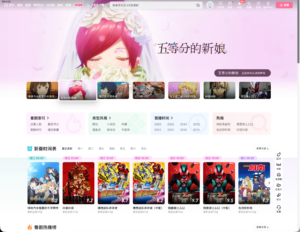
Anime Powerhouse

The platform possesses one of the largest anime libraries in Southeast Asia. It focuses heavily on both classic series and new simulcasts, making it a primary destination for anime consumption.
Diverse User-Generated Content

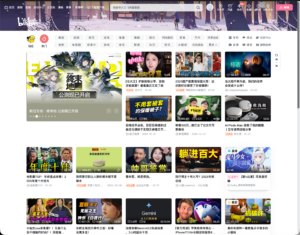
Beyond animation, popular categories include technology reviews, fashion vlogs, educational tutorials, and music covers. The platform has become a hub for creative expression across all demographics.
Live-Streaming and Events

Live streaming is a major traffic driver, featuring everything from esports tournaments to educational “study-with-me” streams. This connects online fandoms to the offline world through signature events like Bilibili Macro Link (BML)and Bilibili World, which are massive offline conventions celebrating the site’s culture.

Where Does Bilibili Website Work? Geographic Availability

For international brands and users, a common question is: where does Bilibili website work? While the platform is global in theory, its primary operations are concentrated in specific regions.

Mainland China Operations

This is the core user base where the full suite of features is available. The vast majority of its daily active users are located here.

Southeast Asia Expansion

Bilibili has officially launched a localized version of its app in markets like Indonesia, the Philippines, Thailand, Vietnam, Singapore, and Malaysia. This strategic move aims to capture the growing anime and gaming markets in these regions.

Content Restrictions and Geoblocking

Due to licensing agreements, specific OGV content (like copyrighted anime) may be geoblocked outside of China or Southeast Asia. Additionally, access can be restricted in regions like Taiwan due to specific regulatory reasons.

Business Model and Opportunities for Brands

For marketers asking “what is Bilibili’s value?”, the answer lies in its audience. It is the stronghold of China’s Gen Z—a generation with high spending power and strong brand loyalty.

Diverse Revenue Streams

The company monetizes through mobile games, value-added services (subscriptions), advertising, and e-commerce. Brands can utilize diverse ad formats including splash screen ads, in-feed native ads, and banner placements.

Social Commerce Integration

Bilibili facilitates “social commerce” where creators can sell products directly via live streams or affiliate links. This seamless integration allows for high conversion rates from trusted influencers.

Technical Infrastructure, Security, and Regulatory Considerations

Operating a massive social platform in China comes with strict compliance requirements.

Censorship and Compliance

Bilibili adheres to Chinese regulations regarding content censorship. It employs extensive moderation teams to filter sensitive topics and ensure all content aligns with local laws.

Data Security

The platform has faced challenges, such as source code leaks and internal data security incidents. These events have prompted the company to implement stricter data privacy mechanisms and employee access controls to protect user data.

FAQ: Everything You Need to Know About Bilibili

What is Bilibili and how is it different from YouTube?

Bilibili is a video platform similar to YouTube but focuses heavily on community interaction via “bullet comments” (Danmu) and has deep roots in anime and gaming culture.

Where does Bilibili website work?

The website is accessible globally, but it is optimized for users in Mainland China and Southeast Asia (Thailand, Philippines, Malaysia, etc.). Some copyrighted content is geoblocked outside these regions.

How do I create an account and what’s required?

Anyone can sign up with a phone number, but to unlock full features like commenting, you may need to pass a “community entrance exam” or verify your identity.

Is Bilibili suitable for international brands?

Yes, especially if you are targeting Gen Z consumers in China. Brands can leverage influencer partnerships and official accounts to reach this highly engaged demographic.
What is Douyin, the Chinese TikTok Equivalent?

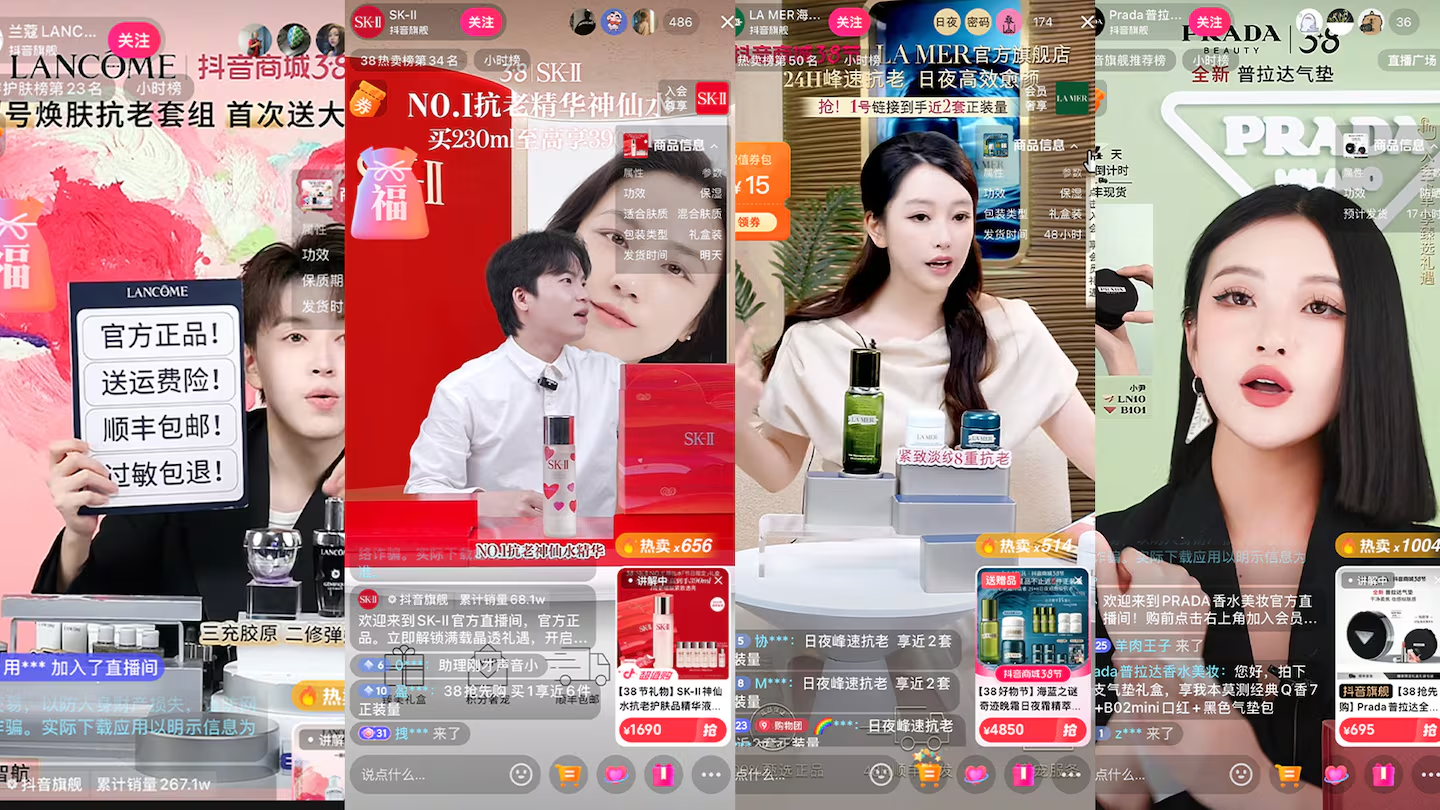
Douyin is China’s leading short-video and social-commerce platform, developed by ByteDance. Known internationally as TikTok’s Chinese counterpart, Douyin combines entertainment, e-commerce, and community engagement within one ecosystem. This article explores what Douyin is, how it works, its business opportunities, and its growing influence across culture, fashion, and digital trends. It’s designed for professionals seeking a deep understanding of China’s short-video economy.

What Is Douyin? Definition, Origin, and Global Context

Douyin is a Chinese short-video app launched by ByteDance in 2016. Initially named A.me, it was rebranded as Douyin within months to appeal to the domestic audience. Its growth was exponential, reaching 100 million users in its first year and surpassing 750 million monthly active users and 400 million daily users by 2025.

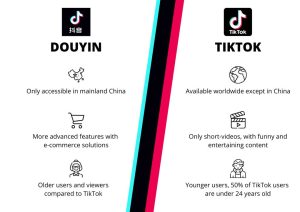
Douyin is available only in mainland China and runs on a separate infrastructure from TikTok. TikTok serves global markets, while Douyin operates under Chinese data-protection and content-regulation frameworks. The platform’s ecosystem goes beyond entertainment: it’s a core driver of digital marketing, live commerce, and lifestyle culture in China.

Douyin vs. TikTok: Key Differences and Similarities

Although Douyin and TikTok share ByteDance’s parent company and a similar interface, they function as distinct platforms. Douyin complies with Chinese cybersecurity and censorship laws, storing data domestically and featuring additional functions not present in TikTok, such as in-video search, location-based recommendations, and integrated e-commerce tools.

TikTok, meanwhile, follows international privacy standards and features independent content algorithms. Accounts, likes, and posts cannot be transferred between the two apps. The split ensures localized user experiences and legal compliance in each market.

How Does Douyin Work? Core Features and User Experience

Douyin centers on short-form video creation and discovery. Users can film, edit, and publish directly within the app using an extensive toolkit — AR filters, background music, sound effects, and transitions. Its AI-driven recommendation feed analyzes user behavior to curate a highly personalized “For You” experience.

Community interaction happens through comments, duets, and hashtags, which amplify viral challenges and cultural memes. The platform also integrates live streaming and shopping functions that turn engagement into transactions.

Unique Features of Douyin in the Chinese Market

Douyin includes advanced features built for China’s digital ecosystem:

  • AI face search and visual recognition allow users to locate products seen in videos.
  • Booking services for hotels, restaurants, and travel are available directly inside the app.
  • Payment integration with Alipay and WeChat Pay enables seamless purchases.
  • Teenage mode introduces time limits and content filters to comply with youth-protection laws.

Together, these features make Douyin not just a content platform but a complete digital-lifestyle hub.

Business, Monetization, and Influencer Ecosystem on Douyin

Business Accounts

Brands operating in China can register verified business accounts using a Chinese business license. Verification unlocks analytics dashboards, ad-management tools, and the ability to launch official e-commerce stores.

Advertising Formats

Douyin offers multiple ad solutions, from native feed ads and hashtag challenges to brand takeovers and livestream promotions. Its performance-based metrics help marketers track impressions, engagement, and conversions directly within the app.

Influencer Marketing

KOLs (Key Opinion Leaders) and micro-influencers dominate Douyin’s ecosystem. Their authentic reviews, tutorials, and livestreams directly shape consumer decisions, especially in fashion, beauty, and food.

E-Commerce Integration

Users can buy products without leaving Douyin. Shopping carts, product pages, and affiliate links are embedded inside videos or livestreams. The platform supports one-click checkout and verified merchant stores.

Revenue Models for Influencers

Creators earn income through virtual gifts, brand partnerships, affiliate commissions, and live-shopping sales. High-performing KOLs can turn content engagement into measurable revenue streams, reinforcing Douyin’s role in China’s creator economy.

Cultural and Social Impact of Douyin in China

Douyin has reshaped how China’s youth communicate, consume, and define trends. It drives viral challenges, music hits, and internet slang, often influencing traditional media. The platform also empowers subcultures — from guofeng (国风) traditional aesthetics to cosplay and dialect humor — giving local communities visibility on a national scale.

Its influence extends to purchasing habits: viral products, travel destinations, and restaurant trends often originate on Douyin. By merging storytelling with commerce, it has become a blueprint for China’s digital-first consumer culture.

What Does Douyin Mean in Fashion and Digital Aesthetics?

Live Commerce and Real-Time Fashion Hauls

Douyin’s live-streaming ecosystem is transforming fashion retail. Influencers host real-time try-ons and styling sessions, with products purchasable during broadcasts. Data-driven insights and algorithmic recommendations push trending items to relevant audiences, turning spontaneous engagement into instant sales.

Douyin Makeup and Beauty Trends

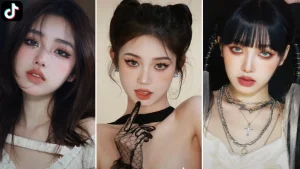
Douyin makeup” has become a defining aesthetic across Chinese social media — characterized by smooth skin, gradient lips, and expressive eyes. Tutorials and reviews from creators have propelled Chinese beauty brands to prominence, influencing makeup trends from Shanghai to Seoul and even Western platforms like TikTok and Instagram.

Privacy, Regulations, and Controversies Around Douyin

Douyin operates within China’s strict content and cybersecurity laws. The platform enforces real-name registration, content moderation, and data localization, ensuring compliance with national standards.

Teenage-protection measures limit daily screen time and restrict access to sensitive topics. However, these controls have also attracted criticism regarding censorship and limited creative expression. For international observers, Douyin represents the balance between innovation and regulation in China’s internet governance.

Frequently Asked Questions About Douyin

What does “Douyin” mean?

In Chinese, 抖音 (Dǒu yīn) translates to “shaking sound,” referring to rhythm and movement in short videos.

Is TikTok available in China?

No. TikTok is the international version of Douyin, operating outside mainland China.

Can you access Douyin outside China?

Yes, but the app’s features — especially e-commerce — are optimized for users in mainland China.

How does Douyin impact global fashion trends?

Its beauty and style aesthetics inspire viral trends worldwide and influence TikTok creators.

What are the main business opportunities on Douyin?

Brand storytelling, live commerce, influencer marketing, and in-app advertising.

What are the regulatory differences between Douyin and TikTok?

Douyin abides by China’s cybersecurity laws, while TikTok follows international compliance frameworks.

Gen X Over Gen Z: Who Is The Real Luxury Consumer In China?

Luxury brands obsess over Gen Z. They focus on young fandoms and viral trends. But they overlook a more important group. China’s Generation X is reaching its peak earning years. They are a critical consumer for luxury brands.

Gen X: A Closer Look

Gen X includes people born between 1965 and 1980. This group and millennials generate over 60% of China’s total income. Globally, Gen X spending will reach $15.2 trillion this year. That makes them the world’s second-largest consumer market. By 2035, this figure will grow to $23 trillion.

Why Gen X Is The Target

In China, Gen X came of age during the reform and opening-up era. They were among the first to travel abroad. They were the first to see European luxury houses arrive in Tier 1 cities. This shaped their taste for heritage and craftsmanship.

Their purchasing behavior is research-driven. They demand authenticity. They embraced the internet with a transactional mindset. They value convenience and transparency. They are skeptical of hype. This makes them a consumer base that values trust, quality, and reliability. They are less attracted to fast fashion. They are willing to pay a premium for craftsmanship. They value durability and service.

Gen X vs. Gen Z

Gen Z gravitates toward novelty. Gen X invests in established reputations and permanence. Gen Z engages with brands through entertainment. Gen X values convenience, trust, and personal attention.

Gen Z is growing up with many leading Chinese independent labels. Gen X’s first luxury experiences were with European prestige brands. This explains their brand preferences.

What Luxury Brands Should Do?

Do not abandon younger shoppers. Broaden your focus. Here is how you can engage Gen X.

  1. Tell stories about heritage and craftsmanship. This resonates with a generation that first met luxury through European prestige.
  2. Provide service innovation. This includes concierge programs and personalized digital experiences. This speaks to their desire for convenience and trust.
  3. Embrace sustainability as a philosophy, not a marketing message. Embed it in sourcing and production.
  4. Use cultural icons who resonate across generations. For example, Maison Valentino chose pop icon Jolin Tsai, age 44. Salvatore Ferragamo chose Gao Yuanyuan, in her mid-40s. These choices show a move away from Gen Z focused talent.

Being current online does not always equal commercial viability. Gen Z’s purchasing power will grow. But they will not command the same spending power as Gen X in the next decade.

Need a tailored China strategy? We can help you navigate this complex market. Our team specializes in helping brands connect with the right audience. Contact us today for a consultation.

The Rise of Soft-Selling Livestreams on RedNote

Introduction

In China’s fast-paced livestream commerce world, the days of loud, hard-sell broadcasts may be numbered. A new wave of soft-selling livestreams is emerging on RedNote, led by Gen Z and Post-00s creators who are reshaping how products are showcased. Instead of shouting “buy now” slogans, these influencers focus on authenticity, transparency, and real conversations with their audience — and it’s paying off.

What Is Soft-Selling in Livestreaming?

Soft-selling livestreaming replaces high-pressure tactics with honest product discussions, personal insights, and two-way engagement. Influencers highlight both pros and cons, share personal experiences, and often discourage impulse buying — which paradoxically increases audience trust and drives sales.

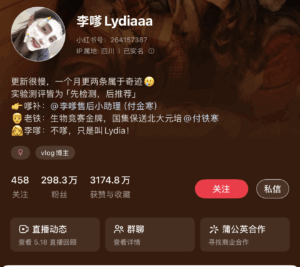
A standout example is Lydiaaa, a former Peking University scholar, whose livestreams combine product demonstrations with scientific testing and candid reviews. In one 13-hour session, she told viewers not to rush into purchases, repeating the caution dozens of times. The result? Over ¥22 million ($3 million) in sales.

Why It Works on RedNote

RedNote’s algorithm favors content that drives genuine engagement and builds trust. Unlike platforms where aggressive discounting is the main driver, RedNote surfaces high-quality, storytelling-driven content to new audiences through its recommendation engine.

Key factors behind the trend’s success:

  • Trust as Currency: Transparency earns long-term loyalty.

  • Content Over Followers: High-quality storytelling reaches beyond existing followers.

  • Cultural Relevance: Gen Z streamers understand the language, humor, and aesthetic that resonate with their peers.

Impact on Brands

For brands targeting younger Chinese consumers, soft-selling livestreams on RedNote offer both a sales channel and a brand-building opportunity:

  • Lower Entry Barriers: Many soft-selling hosts charge less than mega-streamers.

  • New Audience Reach: Up to 70% of buyers may be first-time viewers.

  • Brand Affinity: The format builds an emotional connection that lasts beyond a single purchase.

How Brands Can Leverage Soft-Selling Livestreams

  1. Partner with the Right Hosts – Look for influencers with engaged communities, even if follower counts are modest.

  2. Allow Creative Freedom – Avoid over-scripted talking points; authenticity is key.

  3. Integrate Storytelling – Tie your product into relatable, everyday scenarios.

  4. Think Long-Term – Consistency matters more than a one-off sales push.

The Takeaway

Soft-selling livestreaming on RedNote isn’t just a passing fad — it’s a sign of where China’s e-commerce is headed. In an era when consumer trust is harder to earn, the brands that embrace authenticity and human-centered storytelling will have the edge.

Want to explore how soft-selling livestreams on RedNote can work for your brand? Our team specializes in creating authentic, high-impact campaigns that resonate with Chinese consumers and drive long-term results. Contact us today to discuss your goals and discover how we can help your brand build trust, engage audiences, and boost sales in China.

6 Emerging Consumer Segments Reshaping China’s Digital Market

As China’s digital economy continues to evolve, so do the expectations, behaviors, and preferences of its consumers. From tech-savvy seniors to Gen Z trendsetters, a nuanced understanding of the country’s most prominent consumer groups is crucial for any brand looking to succeed in this market.

In this blog, we spotlight six key Chinese consumer profiles worth watching in 2025 and share practical tips for how brands can connect with them through localized, data-driven strategies.

  1. Elderly Consumers: China’s Silver Tech Boom

With over 280 million internet users aged 60 and above, China’s senior segment now makes up more than 10% of the nation’s online population. These older users are increasingly comfortable with digital tools and are rapidly expanding their online spending. JD.com has reported a staggering 238% increase in purchases made by seniors since 2019.

What They Spend On:
  • Travel and leisure
  • Health supplements and wellness services
  • Comfortable lifestyle products
How to Engage Them:
  • Simplify UX design for mobile apps and websites
  • Focus on credibility, safety, and product quality
  • Leverage family-centric storytelling and value-driven campaigns
  1. Gen Z: Experience Over Possession

China’s Gen Z shoppers, born between 1995 and 2010, are digital natives who value emotional connections, creativity, and instant gratification. According to recent studies, 47% of Gen Zers in China say they shop on impulse, often influenced by social trends and peer recommendations.

What They Spend On:
  • Fashion and beauty
  • Niche hobbies and pop culture merchandise
  • Experiential consumption: concerts, travel, co-branded items
How to Engage Them:
  • Use Xiaohongshu, Douyin, and Bilibili for trend-based content
  • Build buzz through KOL campaigns and interest-based communities
  • Prioritize UGC, livestreams, and viral challenges
  1. Family Travel Planners: Smart Spending, Digital Tools

From parents organizing summer vacations to adult children planning trips for elderly relatives, family travel planners are strategic, digital-first consumers. They rely heavily on online travel agencies (OTAs) like Trip.com (Ctrip), Qunar, and Fliggy.

What They Spend On:
  • Group travel packages and multi-generational experiences
  • Convenience-oriented services like airport transfers and visa processing
  • Family-focused hotels and entertainment
How to Engage Them:
  • Use WeChat Mini Programs for itinerary customization
  • Work with travel influencers to share itineraries
  • Create bundled experiences and early-bird booking discounts
  1. Brand-Conscious Millennials: Value-Driven Consumers

No longer chasing luxury logos, Chinese millennials (aged 28–40) prioritize value, quality, and alignment with their personal identity. With many living in dual-income households, this group commands high purchasing power.

What They Spend On:
  • Wellness and fitness
  • Premium but functional fashion
  • Modern home goods and technology
How to Engage Them:
  • Showcase sustainability, authenticity, and innovation
  • Use storytelling and brand purpose to foster loyalty
  • Offer product reviews and rich content to support informed decisions
  1. High-Income Baby Boomers: Wellness and World Travel

This segment, often retired professionals and entrepreneurs, has significant disposable income and time to spend. Whether it’s international trips or wellness investments, they’re looking to enjoy life’s second act to the fullest.

What They Spend On:
  • Global luxury travel
  • Health checks and spa treatments
  • Educational and cultural experiences
How to Engage Them:
  • Highlight exclusivity and comfort
  • Use direct-response campaigns with trusted media partners
  • Provide concierge-level service and personalized offerings
  1. Affluent Female Shoppers: Driving the “She Economy”

Women in Tier 1 and 2 cities now dominate household spending decisions. Educated, career-oriented, and financially independent, they prioritize self-investment and high-end lifestyle choices.

What They Spend On:
  • Designer fashion and beauty products
  • Luxury travel and fine dining
  • Pet care, wellness, and fitness subscriptions
How to Engage Them:
  • Curate premium content and product lines
  • Offer VIP programs and early access exclusives
  • Celebrate empowerment and self-expression in campaigns

Final Thoughts

Understanding China’s evolving consumer landscape isn’t just about identifying who’s spending – it’s about understanding why they spend, what motivates them, and where they engage. These six audience segments are leading the shift in China’s digital ecosystem. Tailoring your content, messaging, and media strategy to resonate with them can unlock long-term growth and brand loyalty.

Need help localizing your brand for China? Our team specializes in cross-platform strategy, social commerce activation, and KOL-driven campaigns. Get in touch to learn more.

Mastering Seasonal Marketing: 6 Trends to Watch in 2025

As 2025 unfolds, brands are redefining their marketing strategies to align with evolving consumer behaviors and cultural shifts. From leveraging seasonal changes to embracing emotional marketing, the key to success lies in crafting authentic connections with audiences. Here are six emerging trends that will shape marketing strategies in the coming year:

1. Four Seasons, New Ideas: A Year-Round Opportunity for Product Launches

Seasonality is no longer just about holiday marketing. Brands are increasingly tying product releases to the emotions and experiences associated with each season, creating year-round engagement opportunities. Whether it’s fresh spring launches, summer exclusives, cozy fall collections, or winter holiday specials, brands can use these shifts to capture attention and boost sales.

Actionable Tip: Develop seasonal content that showcases your product’s unique features in the context of changing seasons. Limited-time products and collaborations can add urgency and excitement to your campaigns.

2. Gifting and Co-Branding: The Power of Collaborations

The art of gifting is being redefined by strategic collaborations. Brands are teaming up with influencers, artists, and even other brands to create exclusive, co-branded gift collections. These limited-edition partnerships generate buzz and drive consumer interest, especially during peak gifting seasons.

Actionable Tip: Seek partnerships that complement your brand’s identity. Collaborating on special edition products or campaigns can increase brand visibility and attract new customers.

3. Opening “Her” Narrative: Empowering Women through Storytelling

Brands are moving toward more inclusive storytelling, particularly in narratives centered around women’s empowerment. From body positivity campaigns to mental health advocacy, brands that authentically champion women’s causes can foster deeper connections with their audience. International Women’s Day 2025 will be a key moment to highlight such commitments.

Actionable Tip: Align your brand’s storytelling with genuine causes that matter to your audience. Ensure that your marketing efforts around women-centric themes are authentic, inclusive, and impactful.

4. Young People’s Mental Wellness: A Focus on Emotional Marketing

Mental wellness is becoming a core focus for brands targeting younger audiences. With increased stress levels among Gen Z and Millennials, companies are integrating mental wellness themes into their marketing strategies. Campaigns that promote self-care, mindfulness, and stress relief resonate deeply with young consumers.

Actionable Tip: Create content that supports emotional well-being, such as stress-relief tips or self-care routines. Engaging with this trend can strengthen your brand’s emotional connection with consumers.

5. “New Chinese Style” Festivals: Blending Tradition with Modernity

Chinese cultural festivals like Chinese New Year and Mid-Autumn Festival remain pivotal marketing moments. However, the trend of “New Chinese Style” is emerging, where brands merge traditional elements with contemporary aesthetics. This approach allows brands to engage younger consumers while celebrating cultural heritage in a modern way.

Actionable Tip: Incorporate traditional symbols and local artistry into your holiday campaigns, but present them through a modern, visually appealing lens. Collaborate with local creators to enhance authenticity.

6. Evolving Marketing Nodes: Deepening Brand Connections

Brands are moving beyond one-off holiday campaigns to create long-lasting engagement strategies. This includes:

  • Deepening Brand-Specific Nodes: Brands are amplifying key themes and emotions throughout the year rather than limiting marketing efforts to a single event.
  • Creating Brand-Specific “Content Festivals”: Instead of relying solely on traditional holidays, some brands are establishing their own content-driven “festivals” to maintain audience engagement year-round.

Actionable Tip: Develop a long-term content strategy that integrates storytelling with emotional engagement. Whether through continuous themed campaigns or brand-created “content festivals,” sustaining engagement beyond seasonal peaks can create stronger brand loyalty.

Final Thoughts

As consumer expectations shift, successful brands in 2025 will be those that adapt to these emerging trends while maintaining authenticity. From seasonal marketing to emotional storytelling, these strategies can help brands foster deeper, more meaningful connections with their audience.

Want to elevate your seasonal marketing strategy and make a lasting impact? Our team is here to help. Contact us todayto explore how we can tailor innovative marketing campaigns for your brand.

Decoding Gen Z: Navigating China’s Youth Market 

In the dynamic realm of modern marketing, connecting with the younger generation is paramount. China’s Gen Z, born approximately between 1995 and 2010, represents a demographic with unique behaviours, preferences, and digital habits. 

For businesses, understanding and effectively engaging with this audience is not only a strategic move but a necessity. In this blog, we will delve into the behaviours and preferences of China’s Gen Z population and explore strategies for engaging them effectively.


The Digital Landscape of Gen Z: Where to Connect

To effectively engage with Gen Z, businesses must first know where to find them. Gen Z is digitally savvy, and understanding the platforms they frequent is key. Three prominent platforms have garnered significant attention:

  1. WeChat: WeChat is an essential platform for connecting with Gen Z. Furthermore, this multifaceted platform offers messaging, social media, payment, and e-commerce features. Therefore, leveraging WeChat can help businesses create engaging content and build brand presence.
  2. Weibo: Often compared to Twitter, Weibo is another valuable platform. It’s a hub for real-time updates, trending topics, and viral content. Weibo can be an effective medium for brand engagement, particularly through influencer partnerships.
  3. Douyin (TikTok): The short-video platform Douyin, internationally known as TikTok, this platform has become a cultural phenomenon. Furthermore, it offers a creative and interactive space for brands to reach Gen Z, especially through engaging video content.
  4. RED: Xiaohongshu, known as “Little Red Book” or “RED,” is a popular social media and e-commerce platform in China. It enables users to share reviews, recommendations, and shopping experiences, making it a valuable resource for consumers seeking product information and lifestyle inspiration.


Strategies for Impactful Content Creation

Creating impactful content for Gen Z requires a nuanced approach. Here are some strategies to consider:

User-Generated Content: Firstly, encourage user-generated content as Gen Z enjoys co-creating with brands and sharing their experiences.

Short-Form Video: Secondly, short-form video content on platforms like Douyin is a powerful way to capture Gen Z’s attention. Keep it engaging and concise.

Storytelling: Thirdly, craft brand stories that resonate with their values and aspirations. Gen Z appreciates meaningful narratives.

Influencer Collaborations: Lastly, partner with influencers who align with your brand. Influencers can bridge the gap and connect with Gen Z authentically.

🤳 Discover more about the KOL (Key Opinion Leader) economy

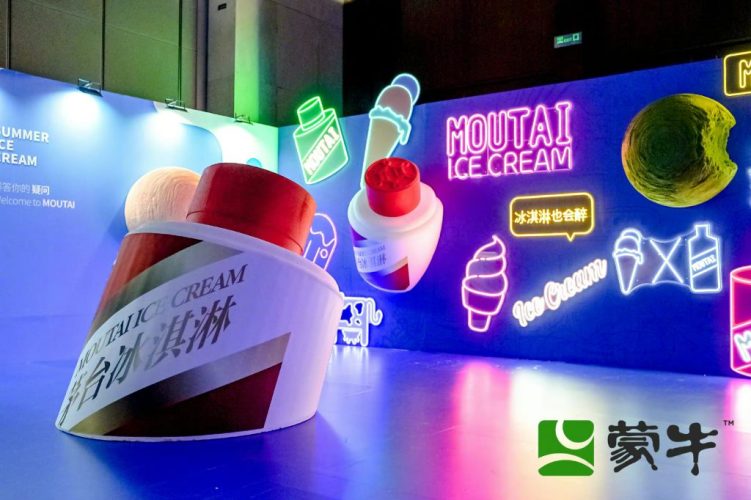
Recently, Moutai, a prestigious brand of Chinese liquor (specifically baijiu), has successfully engaged with China’s youngsters in a cool and memorable way. As a result, it has effectively elevated its brand image and promoted itself among new consumers.

Moutai Ice Cream China's Gen Z

Moutai Ice Cream Exhibition

🥃 Read the Full Case Study on Moutai Marketing Strategies Targeting Gen Z

The Influence of E-Commerce on China’s Gen Z Purchasing Decisions

Secondly, e-commerce plays a central role in the purchasing decisions of Gen Z. They are digital shoppers who rely heavily on online platforms to make informed choices. To optimise your online presence for this audience, consider the following:

Mobile-First Approach: Ensure your online shopping experience is optimised for mobile devices. Gen Z shops on the go and demands a seamless mobile experience.

Interactive Shopping: Implement interactive features in your e-commerce platforms. Features like virtual try-ons, augmented reality, and chat support can enhance the shopping journey.

Transparency and Reviews: Gen Z values transparency and peer reviews. Make sure your product information is accurate, and consider integrating reviews and ratings into your e-commerce site.

Sustainability: Sustainability matters to Gen Z. Highlight your brand’s eco-friendly practices and products.


Establishing Brand Trust and Authenticity

Building brand trust and authenticity is crucial for engaging with Gen Z. They are discerning consumers who scrutinize brands closely. To achieve this, strategies include:

Social Responsibility: Engage in social and environmental initiatives and communicate your brand’s values and contributions.

Transparency: Be transparent about your practices, sourcing, and manufacturing. Gen Z values brands that are open about their processes.

Consistent Messaging: To begin with, ensure consistency in your brand’s messaging across all platforms. Mixed or contradictory messages can erode trust.

Engagement, Not Just Sales: Furthermore, focus on building relationships, not just making sales. Gen Z appreciates brands that engage with them on a personal level.

China’s Gen Z as Luxury Consumers

Gen z China luxury

In the ever-evolving landscape of consumer trends, Chinese Gen Z has emerged as a seasoned cohort of luxury consumers. Notably, having grown up in a rapidly modernizing China, they are not just digital natives but also well-versed in luxury brands and products. This generation displays a strong inclination towards individualism and self-expression, seeking unique and personalized experiences. Moreover, their consumption patterns reflect a combination of traditional values and modern sensibilities, making them discerning shoppers who value quality, authenticity, and brand reputation. They are no longer just aspirational buyers but are actively shaping the luxury market’s trends and narratives, demanding a seamless blend of online and offline experiences while prioritizing sustainability and ethical practices. This seasoned luxury consumer base poses both challenges and opportunities for brands looking to engage with them effectively and tap into their evolving tastes and expectations.

🛍️ Read more about China’s Youth Appetite for Luxury

In summary, China’s Gen Z represents a unique and influential demographic. Understanding their digital habits, preferences, and values is crucial for effective engagement. By leveraging the right platforms, creating impactful content, optimizing e-commerce experiences, and prioritizing trust and authenticity, businesses can unlock the potential of this discerning generation.

As we navigate the digital landscape and the preferences of the next generation, let us embrace this opportunity to connect with China’s Gen Z and build lasting, meaningful relationships between brands and this influential demographic. For further information, please feel free to contact us at contact@thewechatagency.com to learn more.


Moutai: An Example of Spectacular Collabs Eyeing Gen Z

Today, we delve into the world of Moutai, a traditional luxury Chinese liquor brand that has gained spectacular virality in the recent weeks. Let us examine its essence, the factors underpinning its lofty status, and recent strategic moves. Moreover, we will look into the latest marketing campaigns and collaborations


Unveiling Moutai: A Testament to Tradition and Mastery

Moutai, also known as Maotai, is a distinguished name in the domain of Chinese liquor. Originating from the town of Maotai in Guizhou province, it stands as a symbol of China’s rich heritage of distilled spirits. Its meticulous craftsmanship, utilizing sorghum and wheat, bears testament to centuries of perfected techniques. The result is a globally acclaimed elixir embodying the essence of Chinese culture. Its steadfast dedication to time-honored techniques, while remaining open to contemporary trends, has been pivotal in captivating connoisseurs worldwide. One bottle of Moutai typically costs from 1,499 yuan ($223), to over 16,000 yuan ($2,390) for rare vintages. As it continues to evolve and redefine luxury, Moutai remains a pioneering force in the world of distilled beverages. Not only in China but eyeing global expansion as well. 


Moutai: Trendy Collaborations

First Moutai-inspired products started to appear last year with the first ever Moutai Ice Cream shop opened in the lobby of the brand’s headquarter in Guizhou province. After country-wide release, the product has quickly become an internet sensation. The flagship store had sold more than 5,000 Moutai ice-creams in 7 hours, achieving the sales of over RMB 200,000; while via the “iMoutai” APP 40,000 pieces were sold out in 51 minutes, generating a sales record of about 2.5 million yuan.

Moutai Ice Cream

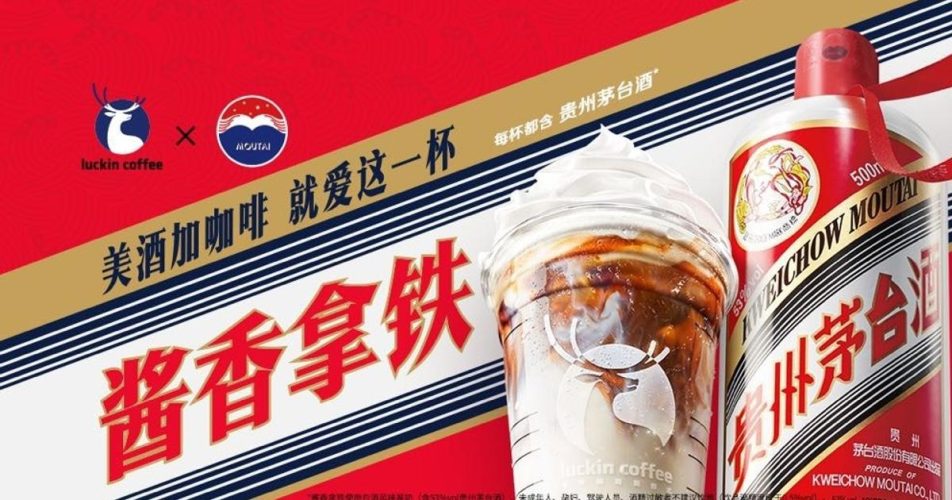
It didn’t take long for another exciting collaboration to hit the market. This time Moutai joined forces with Luckin, another beverage giant famous for its coffees and other beverages. Together, they co-created a new flavor of latte, Moutai Latte which was an instant hit. Hashtags related to Luckin Coffee Real Moutai topped Weibo’s Hot List with hundred millions of views and users’ feed with full of pictures of the product itself or queues to Luckin stores across China. On the launch day, Luckin sold 5.4 million Moutai alcohol-infused lattes in one day topping 100 million yuan ($13.72 million).

A few days later, Moutai consolidated its modern and more approachable image with yet another one collaboration. This time, the brand collaborated with Dove on Moutai-infused chocolate. Again, the hashtag about the collaboration had immediately topped all social platforms’ trending topic lists.

Moutai Luckin Coffee

Successful Pivot Towards Gen Z

The creation of Moutai-inspired products is a strategic move to tap into the young consumer market, who normally have a oldish image towards the strong liquor. At the same time, many foodies including the youngest one might not be able to afford a bottle of spirit. Now, they can literally get a taste of it thanks to these different collaborations. For many of them, it will be their first encounter of the famous alcohol.

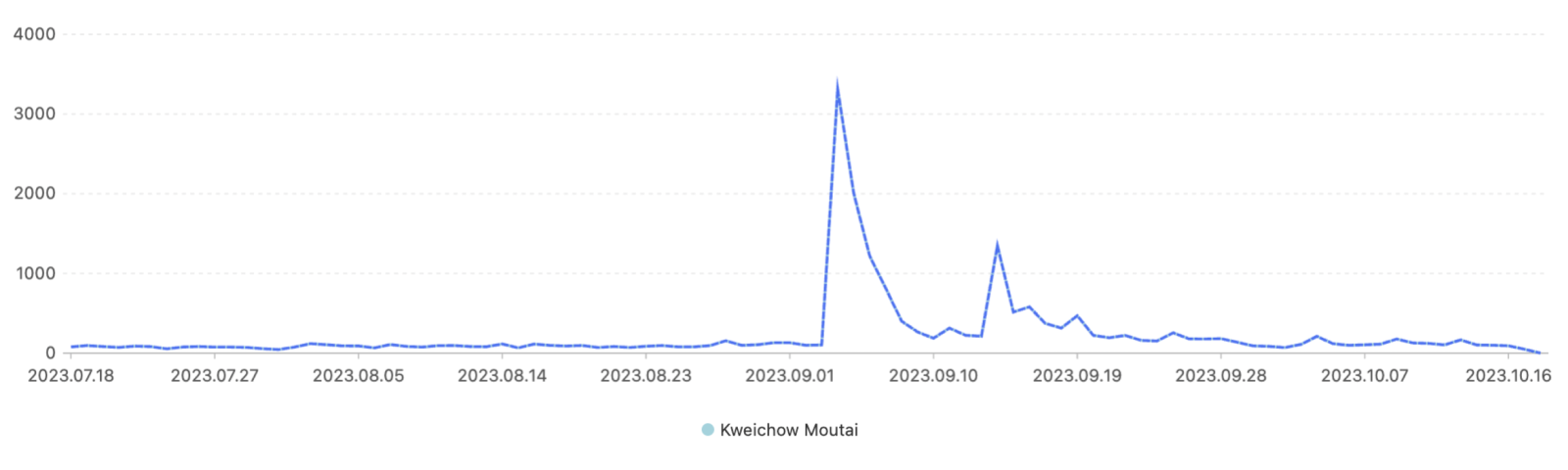
Within the last 3 months, Moutai gained more than 25 billions impressions on Chinese social media platforms.

Moutai Impressions 2023

Insights into Moutai: Captivating in its Simplicity

What are the intriguing facets of Moutai that contribute to its allure:


  1. Craftsmanship in Every Bottle: Each bottle  is a product of meticulous production processes, reflecting the dedication and artistry of its craftsmen.
  2. Collectible Value: Beyond its function as a beverage, Moutai holds significant collectible value. Rare and limited editions attract attention from collectors and investors, adding a unique dimension to their appeal.
  3. Strategic Collaborations and Limited Editions: The collaboration between Moutai and Luckin Coffee, resulting in alcohol-flavored coffee beverages, ice-creams and chocolates showcases the brand’s adaptability and willingness to explore new avenues.


Diversification and Expansion: A Strategic Trajectory

Moutai’s growth extends beyond the realm of distilled liquor. Recent ventures into diversified consumer products like chocolates and ice cream demonstrate strategic diversification, aligning with evolving consumer preferences and expanding its influence. Here’s to Moutai – a brand that epitomizes excellence and continues to enthrall the world with its sophistication and innovation. A toast to the legacy of perfection and the journey of innovation!

10 Fashion Trends on Douyin You Need to Know Today

The speed of change in China is transforming all aspects of society, including the emergence of new cultures, fashion styles, aesthetics, and living standards. Social media has quickly replaced traditional means of brand interaction and shopping in China. Every day, people are exposed to new shopping trends, and KOLs are crucial to setting these trends. 

With 70.2% of the country’s social media users, Douyin, China’s version of TikTok, is one of the most well-liked social media platforms in China.  The audience consistently follows any new fashion trends that become popular on Douyin. Today, surely it’s the best platform to observe new emerging trends among Chinese Gen Z and youth. 

A few weeks ago, we shared with you the latest post on:

🔥 Douyin (China’s TikTok) Statistics 2022 [UPDATED!]

Let us share with you the key findings from the ‘2022 Douyin E-commerce Top Ten Trends and Life Trends Report‘ published by Douyin. These are the top fashion trends on Douyin that have drawn so many users in 2022. Explore them and perhaps experiment and try to include them in your China strategy. 

Before we dig into it, make sure you check How Douyin is Different From TikTok as these two are not the same.

Trend One: Stay away from cities

Glamping China

ⓒ Lucija Mica

Glamping has emerged as one of the most talked-about topics in 2022, with 42.2% of Douyin users citing outdoor activities as a way to unwind. For example, the younger generation that is interested in fashion is accustomed to sharing their glamping attire and experiences on Douyin. There are currently 1,300 million people who travel and engage in outdoor activities. The outdoor market is predicted to generate 240 billion CNY in profit by 2025. This demonstrates the potential market for outdoor products in China.


Fashion Trend Two: Street Shooting

Street Style China

ⓒ Sane Sodbayar

The new Generation-Z is excellent at finding those off-the-beaten-path shooting locations. Think a small shop or a narrow street close to home. They enjoy taking pictures in the hot spots to document their sense of style and post them on Douyin. In order to display confidence and a positive outlook on life, people are more interested in street photography and fashion pairings. Over 122 billion streams are focused on the street shooting on Douyin. As a result of this development, 30.6% of Douyin users are discovering new stores in their daily lives and sharing their outfit pictures taken from there. For this street photography trend, 63% of those individuals favor a simple outfit, followed by modern style (43.6%) and romantic style (42.9%).


Fashion Trend Three: Staycation

Staycations are now a popular option for the younger generation in China. Therefore, they want clothing that is stylish when they go out and comfortable at home. During the weekends, 27.4% of Douyin users prefer to stay home. Within that group, 89% of people are wearing homewear, and more than 45% have more than three different home wears. Feeling comfortable and casual has become a hot topic for the staycation lifestyle.


Fashion Trend Four: Sustainability

The younger generation has begun to show a greater concern for the environment, and sustainability is currently on trend. 29.9% of Douyin users pay attention to environmental protection. They are in favor of living sustainably and are ready to pay more for those goods. The new generation is becoming more and more accustomed to minimalism. Green fashion is a new trend that makes use of sustainable materials and natural plants.


Fashion Trend Five: China-chic

Guochao

ⓒ Dan Ma

The new generation has a stronger sense of patriotism than ever before, which has increased the local culture’s visibility. Gen-Z believes that local culture and brands should become the new standard in fashion and highly recommends them in Douyin. 30.8% of Douyin users support national goods and value Guochao culture. Users of Douyin favor Chinese- and Guochao-style clothing for a variety of reasons, including:

  • People are recognizing traditional cultures.
  • Combining traditional and modern elements looks good.
  • A popular global fashion trend is emerging from a Chinese design.
  • Affordability and high quality

As Guochao draws more attention, premium designs start to emerge in order to satisfy the young generation’s demands for fashion.

🇨🇳 We covered guochao recently on our blog. 

Fashion Trend Six: Office Outfit

Fashion China

ⓒ Juhno

Gen-Z likes to express their personality in their daily life through working outfits. The videos about work attire have been viewed more than 2 billion times on Douyin. 35.3% of Douyin users believe people should pay attention to what they wear on professional occasions. Sales of professional attire are predicted to grow by 4-5% annually until 2025 when they will total 167 billion CNY. The simple yet sophisticated design is now the norm for business settings.


Fashion Trend Seven: Retro

Users have watched videos on vintage style more than 11 billion times. The nostalgia wave has once more broken, thanks to Generation Z. The new standards for this new trend are now Hong Kong and Y2K fashion. Therefore 32.7% of users on Douyin are becoming more and more interested in nostalgia, collecting antiques, and occasionally willing to try out vintage clothing. The 80s and 90s fashion trends have been revived once more.


Fashion Trend Eight: Street Fashion

The new generation wants to express themselves in a novel way by fusing music, skateboarding, and other subcultures. 30.4% of Douyin users support using street culture as a form of self-expression. Street fashion found a new market niche thanks to rap, hip-hop, and new fashion brands among the younger generation. For example, the most popular theme for street fashion in 2022 will be oversize. Newer increasingly drawing more and more attention to it.


Fashion Trend Nine: Fitness Outfit

Yoga China

ⓒ Stephanie Green

With everyone becoming more concerned about their health, gymnastics-related topics have grown in popularity, gathering 15.8 billion views on Douyin. Working out while wearing a cute outfit has become mandatory for the younger generation. 45.2% of Douyin users recognize the importance of their health and insist on exercising every day. Fitness topics are currently very popular, especially when it comes to permeability and other useful features. Hence, the technologies of the materials, such as keeping warm, windproof, quick-drying, shaped, and so forth, have advanced quickly as well.


Fashion Trend Ten: Manga

The younger generation doesn’t hesitate to express themselves; they want to flaunt their comic book attire in public. 10.8% of Douyin users are open to accepting JK and are interested in the ACGN culture. Similarly, more than 86 billion times have played Lolita, cosplay, or other related games on Douyin. The hottest topic in the dimension world will soon be “genderless.” The genderless fashion trend, which combines sweetness and masculinity, has gained popularity since 2021.


Douyin Fashion Trends – Conclusion:

In the era of the Internet, consumers are playing an active role in creating new trends. Social media platforms also set the bar for fashion statements. To stay relevant with peers, people follow trends on social media sites like Douyin on a daily basis. 

Above all, understanding the popular fashion trends among potential customers is a great way to comprehend them and their needs. If you already have your Douyin strategy in place check out our article on advertising on Douyin to reach even more consumers. 

If you wish to know more about Douyin or other marketing techniques in China, please contact our team. We use our knowledge and expertise to help businesses build meaningful partnerships and develop their networks among Chinese customers. For additional information, please contact us at contact@thewechatagency.com

Female Gaming – One of China’s Most Promising Trends

China is a nation that enjoys playing. More gamers reside there than in any other nation in the world, and a third of them use their phones for gaming. It also makes China one of the most lucrative gaming markets in the world, with 666 million gamers spending an average of 445 yuan each on video games. 

Despite being a domain where men predominate, video games are no longer just for men. Women are experienced gamers who like anything from mobile crossword puzzles to first-person shooting games.

Players in the business can no longer deny how female-focused gaming has evolved from a niche interest to a mainstream market, especially when considering monetization.

Female Gaming China

Why Should Companies Focus On Female Gaming

Approximately 300 million women play video games in China, according to the 2019 China Gaming Industry Report. Over 46% of all people in the country identify as gamers. 

According to Abacus, both larger Chinese studios (such as Tencent, NetEase, and Bilibili) and smaller ones have started focusing on the still-relatively unexplored market of female gamers.

In this regard, China differs from Western nations where games geared toward female gamers haven’t achieved significant economic success. On the other side, a few years ago, female-focused games in China began to gain widespread acceptance. As the top downloaded game in China in 2018, the role-playing game Love and Producer from publisher Paper Games even momentarily dethroned Honour of Kings.

Games for female gamers may become the next big thing when the “conventional” gaming market becomes saturated.

Most Popular Game Types & Scenario

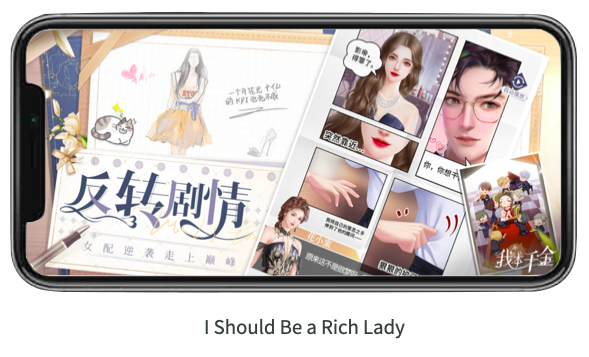
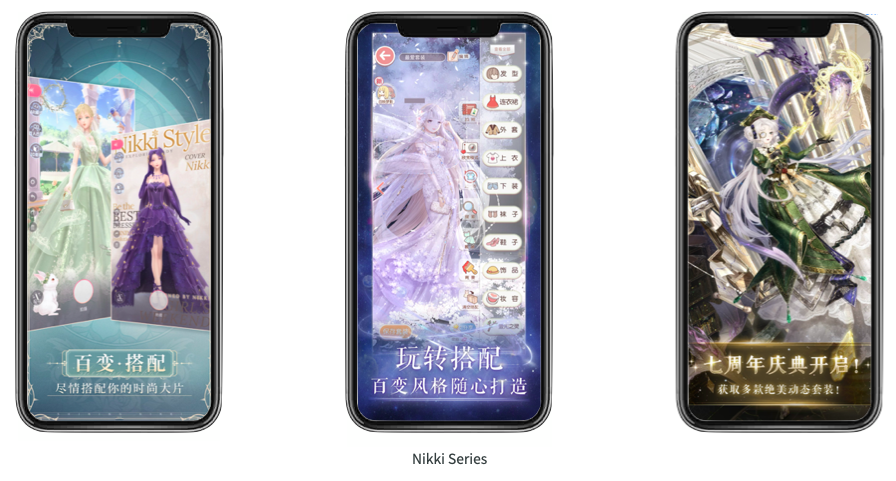
China’s game producers have recently become aware of the potential economic value of the “second sex”.  The success of games catered to women like Shining Nikki, Love and Producer, or I Should Be a Rich Lady only strengthen this trend.

Female Gaming China

Most of them fall into the category of otome, story-based video games that is targetting women. Their goal is often to develop a romantic relationship with the game character. Others like the Nikki series focus on style battles and beatifying avatars through a series of challenges. 

As Miriam Dabrowa, Head of China Strategy at The WeChat Agency says ‘romance-oriented storytelling of the most popular games is not surprising. Since the beginning of COVID-19, most of the Chinese have been living from one lockdown to another. Hence often had limited human interactions, especially in a romantic sense. Often these young people work long hours as a part of the 9-6-6 culture (working from 9AM to 9PM, 6 days per week​​) and simply don’t have time or energy to get build intimate relationships.’

Of course, the female gaming industry is more complex than that and many players enjoy a wide variety of games. 

Mistakes Most Companies Make When Marketing To Female Gamers

The majority of female gamers have noticed how the business still prioritizes male players over female consumers. Female characters are frequently dressed in sexy styles and are objectified in the games aimed mostly at the male audience. It’s extremely hard for the game designers to change this narrative when games’ profits are often based on upselling more revealing clothing for female characters in the game.

Numerous improvements have lately been made to promote more diversity in response to the persistent and contentious issue of female underrepresentation in the business. 

Because of discrimination and judgemental behaviors, Chinese female players often prefer to discuss in their own circle establishing online communities on platforms like Douban.

Companies wanting to establish a strong community should be hyper-sensitive to their audience needs to effectively attract them.

Conclusion

Around 390 million female gamers were active in China as of February 2020, an increase over the previous few years. The purchasing power of Chinese women gamers has been increasing. This calls for a great opportunity for fashion, make-up, or lifestyle businesses if tapped into this target market.

Most of the otome games actively leverage key Chinese holidays like Valentine’s Day or the 520 festival. They launch special campaigns or new digital products. Co-branding with them can be the next Holy Grail when marketing to Chinese women. 

Ultimately, the female gaming trend will likely continue. With more women getting involved in gaming, it’s only natural that more games will be developed for a female audience. Hence, it is a great opportunity for smaller companies looking to build a brand in China.

If you wish to know more about other gaming & marketing techniques in China, please contact our team. We use our knowledge and expertise to help businesses build meaningful partnerships and develop their network among Chinese customers. For additional information, please contact at contact@thewechatagency.com.