If you are exploring the digital landscape of China, you will inevitably encounter Weibo. Often lazily referred to as “China’s Twitter,” Weibo is much more than a simple microblogging site. It is one of the most influential social media platforms in the country, serving as the primary hub for public discourse, breaking news, and celebrity culture.
While it shares DNA with Twitter (now X), Weibo has evolved into a distinct ecosystem with unique features that blend elements of Facebook, Instagram, and Reddit. Understanding what is Weibo is essential for anyone looking to comprehend Chinese internet culture or build a brand presence in the region. This guide covers everything you need to know: from its origins and core features to its role in marketing, censorship governance, and future outlook.
What is Weibo? Definition and Origins
Meaning and Etymology of “Weibo”
To understand the platform, we must first look at the name. “Weibo” (微博) is the Chinese word for “microblog”. It is a compound of “wei” (micro) and “bo” (blog). Originally, the term was generic. In the late 2000s, huge tech companies like Tencent, Sohu, and NetEase all launched their own “Weibo” services. However, Sina Corporation’s version—Sina Weibo—became so dominant that it eventually captured the market. Today, when people say “Weibo,” they are almost exclusively referring to Sina Weibo.
Historical Background and Platform Evolution
Sina Weibo was launched in August 2009. The timing was strategic, following the blocking of foreign microblogging platforms like Twitter and Facebook in China. It filled a massive void, allowing for rapid adoption and explosive user growth. Within a few years, it outcompeted local rivals to become the de facto public square of the Chinese internet. A major turning point came with its IPO on NASDAQ in 2014 and a strategic partnership with e-commerce giant Alibaba, which integrated social commerce directly into the feed.
How Does Weibo Work? Core Features and Platform Mechanics
User Experience and Main Functionalities
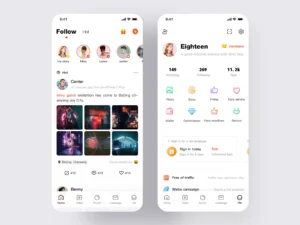
At its core, Weibo is an open social network designed for viral sharing. Unlike WeChat, which is closed and private, Weibo allows both individuals and organizations to broadcast content to a wide audience. Users can post text, images, videos, and conduct live streams. The platform relies heavily on @mentions to tag users and #hashtags to organize topics, creating a dynamic environment where content spreads quickly. The timeline is a mix of accounts you follow and algorithmic recommendations, ensuring users constantly discover new content.
Account Types and Verification System
Credibility is currency on Weibo, managed through a tiered verification system. The “Blue V” is for organizations, companies, and government agencies, while the “Orange/Yellow V” is for individuals, celebrities, and influencers. There is also a “Red V” reserved for highly popular influencers with millions of views. Verification requires submitting legal documents, and obtaining a badge significantly boosts an account’s reach and authority.
Unique Features and Platform Integrations
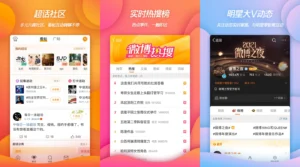
Weibo distinguishes itself with community-based features like “Super Topics,” which act as hubs similar to Reddit subreddits where fans gather to discuss specific celebrities or interests. The “Hot Search” list is arguably the most valuable real estate on the Chinese internet, driving massive traffic to top stories curated via a mix of algorithms and editorial control. Thanks to the Alibaba partnership, users can buy products directly through links, and features like “Weilingdi” offer location-based services for local marketing.
What Is Weibo Used For? Main Use Cases and Audience Profile
Content, Communication, and Marketing Uses
If WeChat is for friends, what is Weibo used for? It is for the world. It serves as the fastest source for breaking news and real-time public discussion on social issues. Celebrity culture thrives here, making it the primary platform for stars and “Key Opinion Leaders” (KOLs) to interact with fans. Brands leverage this for viral marketing and reputation management, while government agencies and NGOs use it heavily to broadcast official announcements and gauge public sentiment.
User Demographics and Behavioral Patterns
Weibo’s user base is massive, younger, and urban. The demographic is predominantly Gen Z and Millennials concentrated in Tier 1 and Tier 2 cities. Because of its open nature, Weibo plays a critical role in shaping public opinion and internet trends before they spill over onto other platforms.
Weibo’s International Reach and Accessibility
What is the Weibo App’s Availability Outside China?
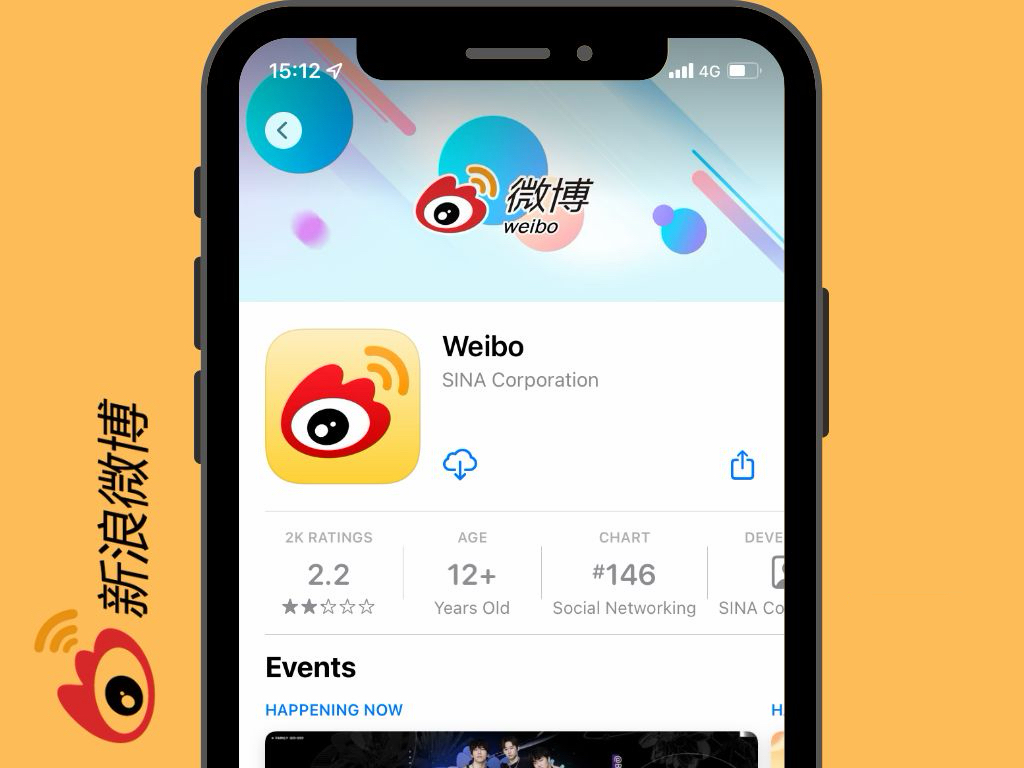
Weibo is available globally, and you can download the Weibo app from international app stores like the Apple App Store and Google Play. Foreign users can register using international phone numbers, though the process can sometimes be glitchy. While there is an “International” version of the app, the interface and content remain overwhelmingly Chinese. English-language support is limited, often requiring translation tools. Additionally, some content may be geoblocked outside of China due to licensing or regulatory reasons.
Governance, Censorship, and Privacy on Weibo
Content Moderation and Censorship Mechanisms
Operating in China means adhering to strict internet regulations. Weibo employs a sophisticated dual system of automated AI filtering and manual human moderation. Sensitive keywords are filtered, and posts containing banned political topics are often removed immediately. During sensitive events, censorship intensifies, though users often find creative ways, such as using emojis or homophones, to bypass filters.
Privacy, Transparency, and User Data Concerns
To combat disinformation, Weibo requires real-name registration, meaning users must verify their identity with a phone number linked to a national ID (or passport for foreigners). The platform also displays the user’s IP location on their profile and comments. These measures mean anonymity is limited, raising concerns about surveillance and data access by authorities.
Challenges, Criticisms, and Future Outlook
Despite its success, Weibo faces hurdles. The platform has long battled “zombie” accounts and bots that manipulate trending topics and inflate influencer engagement numbers. Strict censorship and aggressive advertising have led some users to experience platform fatigue, migrating to competitors like Douyin (TikTok) or Xiaohongshu. To stay relevant, Weibo is investing heavily in video content, live streaming, and deeper e-commerce integration to compete for user attention in the future.
FAQ – Key Questions About Weibo
What is Weibo in simple terms?
Weibo is a Chinese social media platform that acts as a microblogging site. It combines the public, real-time nature of Twitter with the multimedia features of Instagram.
How is Weibo different from Twitter?
While both use feeds and hashtags, Weibo is more feature-rich, supporting threaded comments, rich media, and direct e-commerce integration. Unlike Twitter, it operates under strict government censorship.
Can foreigners create a Weibo account?
Yes, foreigners can register using an international phone number. However, the interface is primarily in Chinese.
Is Weibo available in English?
There is limited English support in the international app, but the vast majority of content and interface elements are in Simplified Chinese.
Is Weibo safe and private to use?
Weibo requires real-name registration and displays user locations. It is safe for general browsing, but users should be aware that data is subject to Chinese laws and privacy from the government is not guaranteed.
What types of content are restricted?
Content that violates Chinese laws, including politically sensitive topics, rumors, and pornography, is strictly prohibited and filtered.
How can brands and influencers use Weibo effectively?
Brands use Weibo for “viral” marketing. By partnering with KOLs (Key Opinion Leaders) and leveraging Trending Topics, brands can build massive awareness quickly compared to closed ecosystems like WeChat.