5
min read

Tong

TL;DR
A Key Opinion Leader (KOL) is a trusted voice with recognized expertise or authority in a specific field.
KOL marketing uses this credibility to influence perceptions and purchasing decisions.
KOLs differ from general influencers through their expertise, reputation, and authority within a specific community.
The right KOL depends on your audience, objectives, industry, and the credibility required for your campaign.
A Key Opinion Leader, commonly known as a KOL, is a person whose knowledge, experience, reputation, or professional authority gives their opinions significant weight within a particular audience.
KOLs have become an important part of modern marketing, particularly in markets such as China. Brands work with them to introduce products, explain complex topics, build credibility, and influence purchasing decisions. Depending on the industry, a KOL could be a beauty expert reviewing skincare products, a doctor discussing health topics, a technology specialist evaluating new devices, or an industry professional sharing insights with business decision-makers.
This makes KOL marketing different from simply paying someone with a large social media following to promote a product. Audience size matters, but authority, relevance, expertise, and trust can be equally important.
Understanding what a Key Opinion Leader is, how KOL marketing works, and how KOLs differ from influencers can help brands determine where these partnerships fit within their broader marketing strategy.
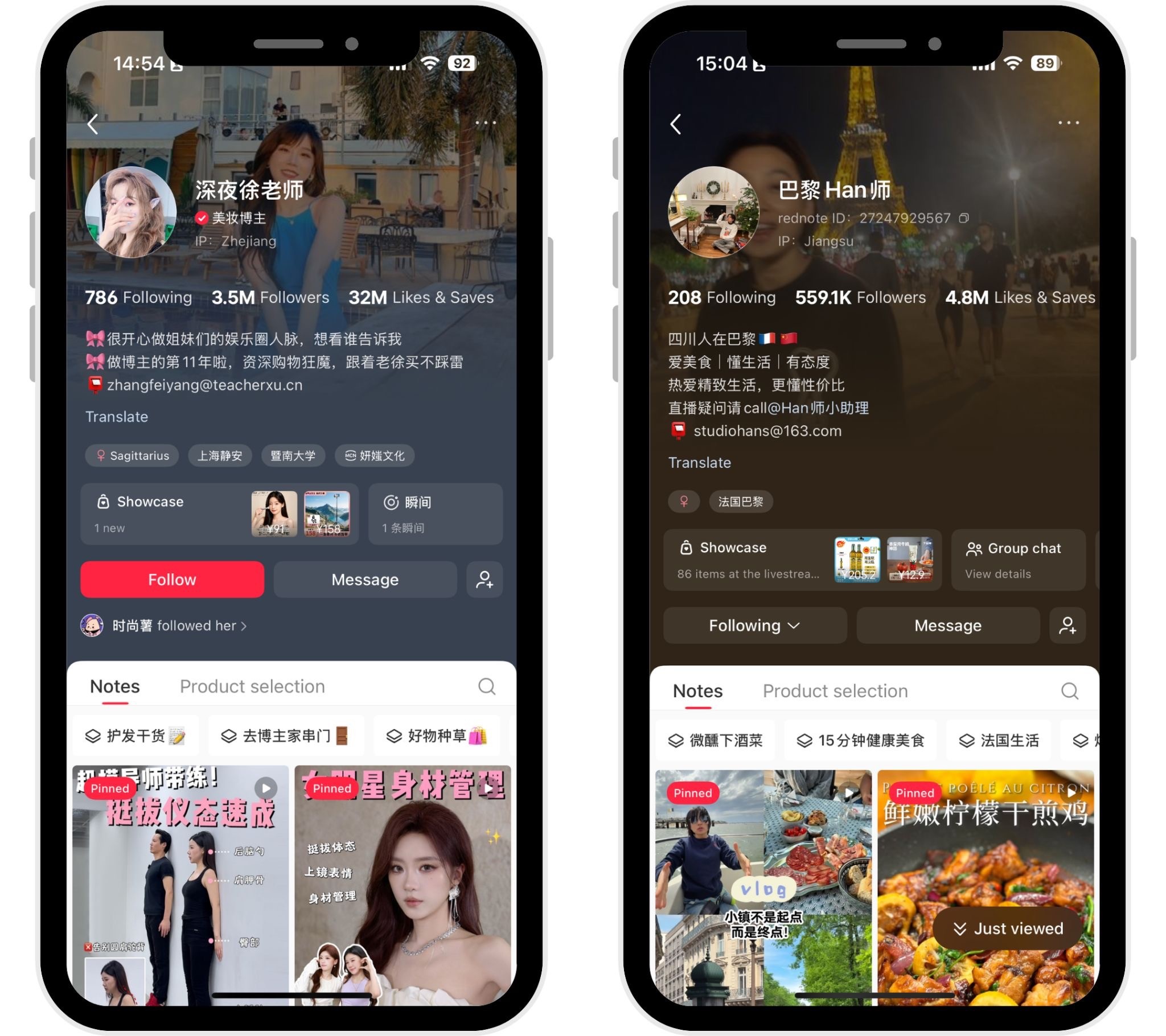
What is a key opinion leader (KOL)?
A Key Opinion Leader is someone recognized as an authoritative or influential voice within a particular industry, profession, community, or niche. Their influence comes primarily from what they know, what they have experienced, or the reputation they have established with their audience.
Expertise can take different forms. A KOL may have formal credentials, such as a doctor, scientist, or academic. They may have years of professional experience within an industry. Others establish authority by consistently producing knowledgeable content and developing a strong reputation within a particular community.
This distinction is important because being well known does not automatically make someone a KOL.
A celebrity, for example, may have millions of followers but limited authority when discussing a technical product. An industry specialist with a much smaller but highly relevant audience could have significantly greater influence over purchasing decisions within that category.
KOLs also existed long before social media. Journalists, academics, critics, doctors, industry analysts, chefs, designers, and other recognized experts have historically influenced public opinion and purchasing decisions. Social platforms simply gave these individuals new ways to communicate directly with audiences and allowed new types of KOLs to emerge.
A KOL therefore sits somewhere between an expert and an influencer. Expertise strengthens their credibility, while their ability to communicate with and influence an audience gives that expertise commercial value.
KOL marketing meaning and its role in brand strategy
KOL marketing means partnering with Key Opinion Leaders to use their authority, reputation, and relationship with an audience to communicate a brand message, introduce a product or service, or influence consumer decisions.
The objective is not simply exposure.
When consumers encounter a traditional advertisement, they know the brand is speaking about itself. When a trusted KOL independently explains, demonstrates, discusses, or recommends the same product, the message can carry a different level of credibility.
This can be particularly valuable when consumers need more information before making a decision. A skincare brand, for example, might collaborate with a beauty KOL to explain ingredients and demonstrate how a product fits into a skincare routine. A technology company could work with a respected technology expert to evaluate a device and explain its features. In B2B marketing, a company might collaborate with an industry specialist through a webinar, conference, article, or professional interview.
KOL marketing can therefore support several objectives, including building trust, strengthening brand credibility, educating audiences, accessing niche communities, generating consideration, and supporting purchasing decisions.
It also extends beyond social media. KOLs may influence audiences through professional networks, conferences, traditional media, publications, livestreams, webinars, and other channels.
KOL marketing has become particularly prominent in Asia, including China, where creators and expert voices can influence multiple stages of the consumer journey. The approach also overlaps with word-of-mouth marketing. Rather than relying entirely on what the brand says about itself, brands use trusted third-party voices to communicate with potential customers.
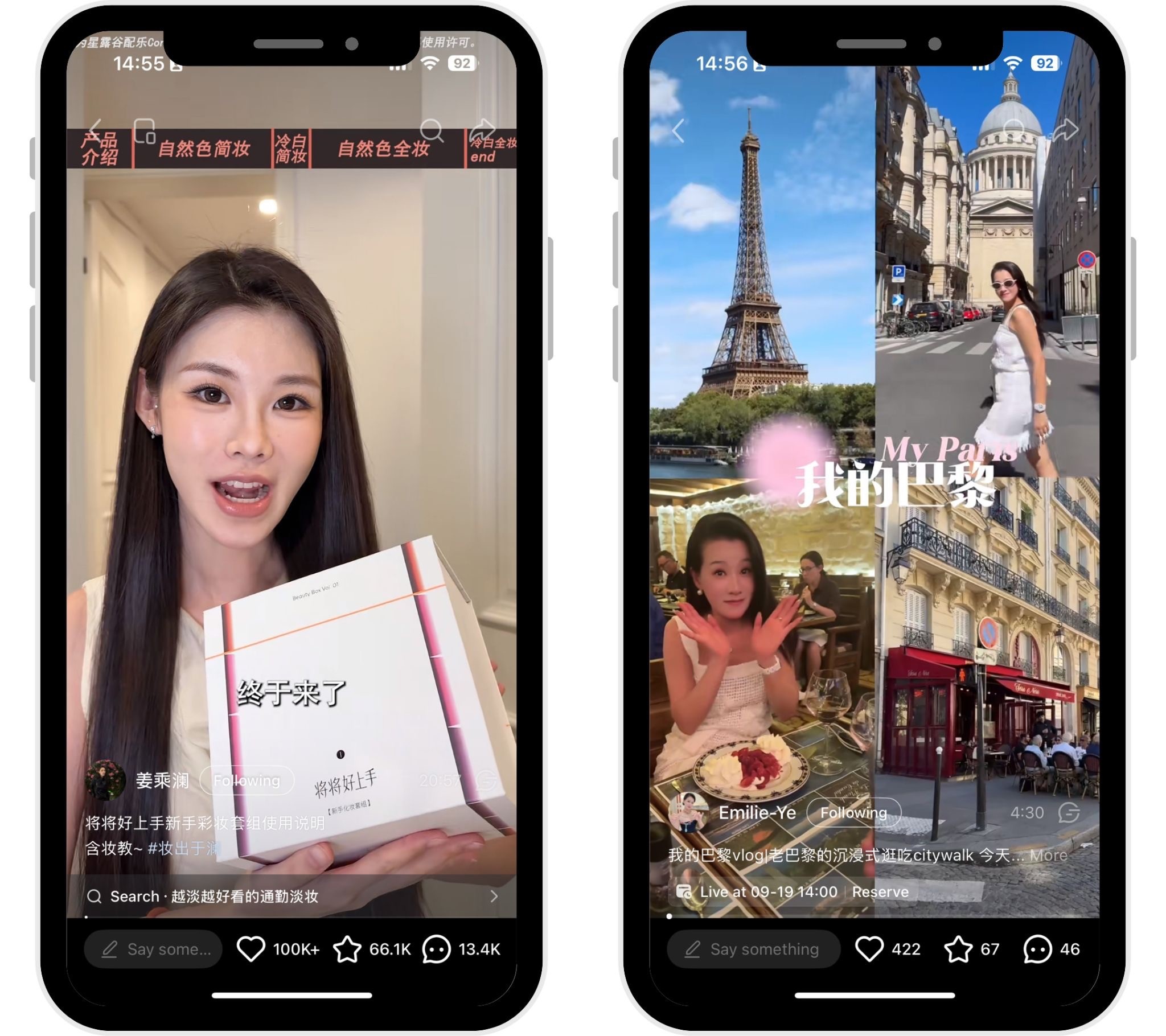
How are KOLs different from influencers?
The terms KOL and influencer are often used interchangeably, particularly in digital marketing. There is significant overlap, but they are not exactly the same.
The clearest distinction is the source of their influence.
A KOL's influence is generally associated with expertise, authority, or a strong reputation within a particular category. An influencer's influence may instead come primarily from their personality, content, entertainment value, lifestyle, or relationship with followers.
Their audiences can also behave differently. A general lifestyle influencer may reach a broad audience interested in their daily life, fashion, travel, or entertainment. A KOL often attracts people specifically interested in the subject they discuss.
Follower count therefore does not determine whether someone is a KOL.
A dermatologist with 100,000 followers who regularly explains skincare ingredients could have stronger authority for a dermatological skincare campaign than a lifestyle creator with several million followers. Conversely, the larger lifestyle creator may be more appropriate when the campaign objective is broad awareness.
The channels they use can differ as well. Influencers tend to build their careers primarily through social platforms. KOLs may establish their reputation through professional work, publications, conferences, traditional media, or industry recognition before developing a social media presence.
Commercial partnerships may also work differently. Influencers commonly participate in sponsored posts, gifting campaigns, affiliate marketing, event attendance, and other creator collaborations. KOLs may be more selective because the credibility of their recommendations is closely connected to their professional reputation.
For brands, this means neither category is inherently better. The right choice depends on the campaign objective, target audience, category, and type of influence required.
Case examples: KOLs vs. influencers
Consider a new premium skincare product.
A lifestyle influencer could create a visually engaging morning routine featuring the product. Their role is primarily to generate awareness, desirability, and social visibility.
A skincare KOL could instead explain the product's ingredients, discuss who it may be suitable for, and demonstrate how it fits into a broader skincare routine. Their value comes from helping consumers understand and evaluate the product.
The same distinction applies in technology. A lifestyle creator might show how a new smartphone fits into their everyday life, while a technology KOL might evaluate its camera system, processor, battery performance, and software.
Doctors, scientists, academics, financial professionals, and other industry experts can similarly become KOLs when their expertise gives their recommendations influence among a relevant audience.
Both KOLs and influencers can influence consumers. The difference is often how and why audiences trust their opinions.
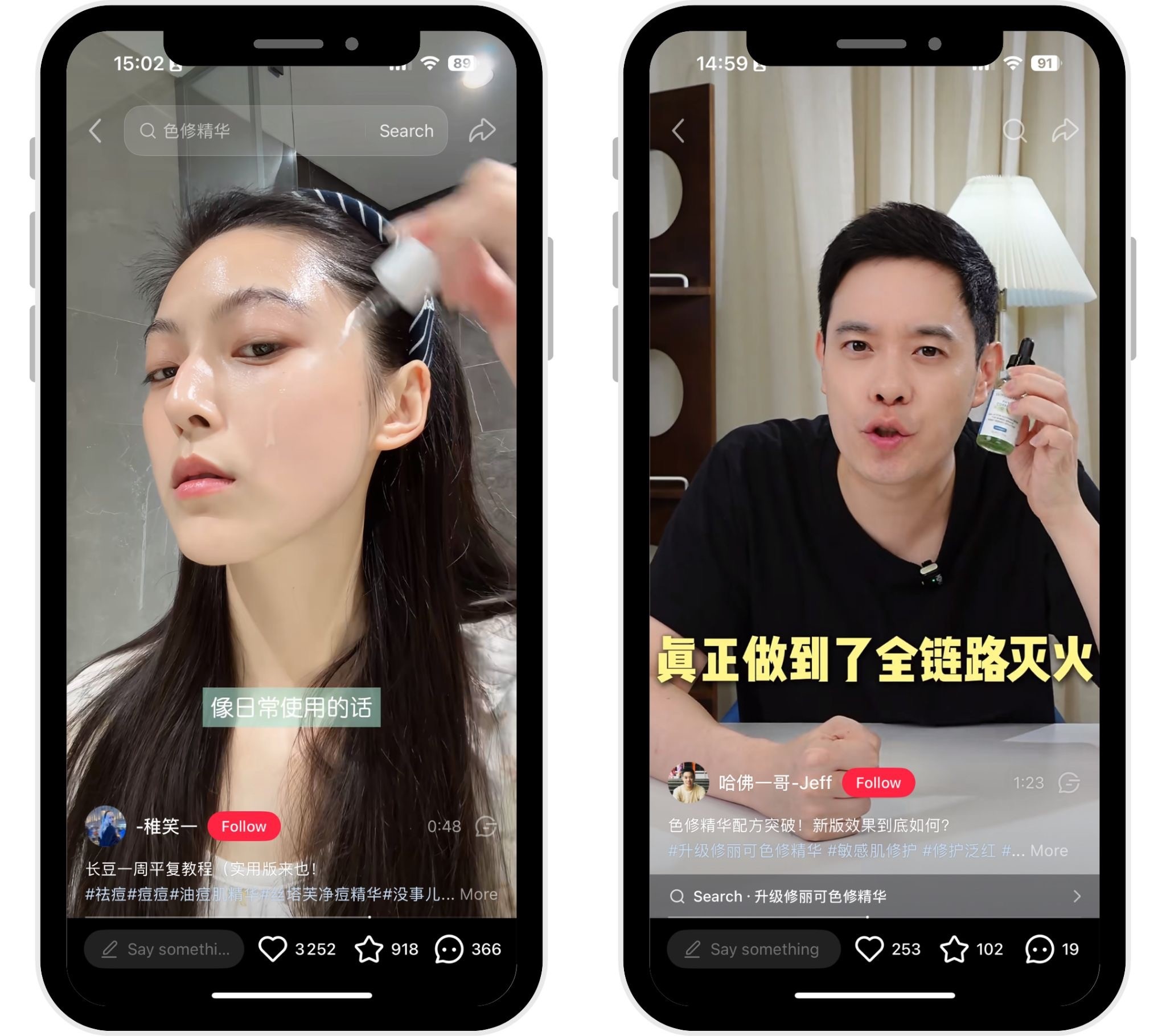
What are the advantages and challenges of working with KOLs?
The main advantage of KOL marketing is credibility. Brands can benefit from the authority that a KOL has already established with their audience.
This can be particularly useful for products that require explanation or involve greater consideration before purchase. Healthcare, technology, finance, beauty, and other complex or technical categories are examples where expertise can significantly influence how audiences evaluate a product or service.
KOLs can also provide access to highly specific communities. A smaller expert who is respected among architects, dermatologists, investors, engineers, or technology professionals may provide more relevant exposure than a much larger general-interest account.
There is also potential long-term value. Repeated collaboration with respected voices can strengthen a brand's reputation and industry positioning rather than creating only a temporary increase in visibility. KOLs can also support thought leadership by associating a brand with credible discussions and expertise.
However, KOL marketing comes with challenges.
Finding the right KOL can require considerable research. High follower numbers do not necessarily indicate expertise, audience quality, or genuine influence. Established KOLs may also be more selective about commercial partnerships and require stricter collaboration conditions.
Reach can be another trade-off. A specialized KOL may have a smaller audience than a mainstream influencer. As a result, a KOL partnership may not always generate the same immediate scale or short-term sales impact as a mass influencer campaign.
Brands therefore need to evaluate credibility, audience quality, reach, and commercial objectives together rather than treating follower count as the primary selection criterion.
B2B and B2C KOL marketing: Specificities
KOL marketing can work in both B2B and B2C, but the role of the KOL changes depending on the business context.
In B2B marketing, KOLs often act as industry reference points. Analysts, academics, executives, engineers, consultants, and other specialists can influence professional audiences through thought leadership and peer recommendation. Collaborations may take the form of webinars, interviews, technical discussions, white papers, conferences, or industry content.
In B2C marketing, KOLs more often act as expert validators for consumer products. A beauty expert might explain skincare ingredients, for example, while a technology specialist might compare devices or a financial expert might discuss a financial service.
This can be particularly valuable for high-value, technical, or sensitive purchases where consumers want more information before making a decision.
In both cases, the value of a KOL comes from reaching an audience that considers their opinion credible.
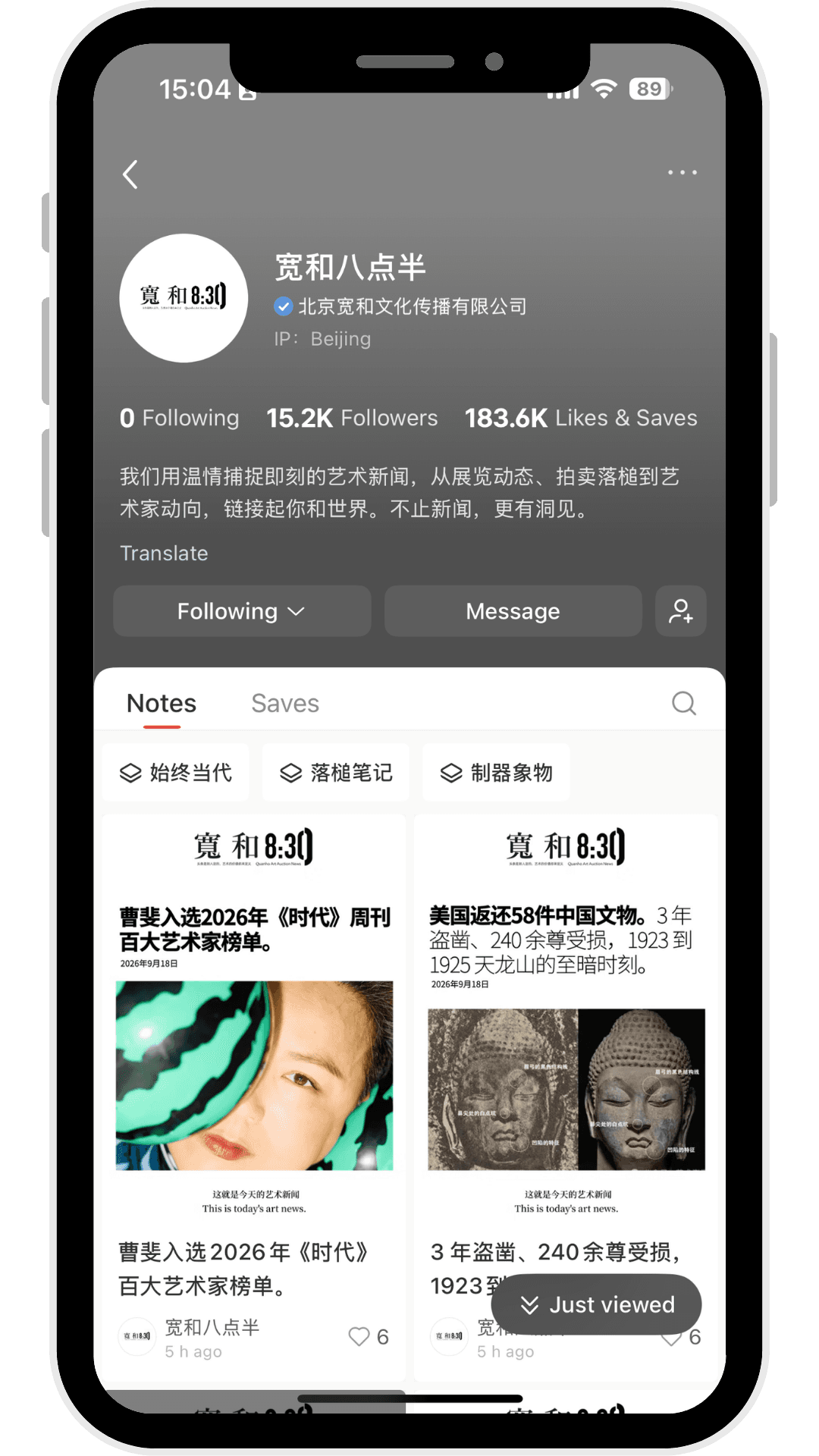
How to identify and select the right key opinion leader
Choosing the right KOL starts before the search itself. Brands should first define what they want the collaboration to achieve and who they need to reach.
A campaign designed to generate broad product awareness requires a different profile from one designed to establish technical credibility among industry professionals.
Once objectives and audiences are clear, brands can research potential KOLs through industry publications, professional networks, social media platforms, conferences, and other relevant communities.
Expertise should be one of the first criteria considered. Look at the person's professional background, qualifications, experience, content history, and recognition within their field. For some industries, third-party validation such as media coverage, awards, speaking engagements, publications, or peer recognition can provide additional evidence of authority.
Audience relevance is equally important. A large following provides little value if the audience does not match the people the brand wants to reach.
Brands should also examine engagement quality rather than relying only on engagement rates. Comments that demonstrate genuine discussion, questions, and audience trust may reveal more about a KOL's influence than raw likes.
Previous commercial collaborations provide another useful signal. Review the types of brands the KOL has worked with, how frequently they publish sponsored content, and whether previous partnerships align with their established expertise.
Finally, consider brand fit. Communication style, values, public reputation, and sector relevance all affect how naturally the collaboration will be perceived.
The best KOL is therefore not necessarily the person with the largest audience. It is the person whose credibility, audience, expertise, and communication style align most closely with the campaign objective.
Building a successful partnership with a KOL
A successful KOL partnership should balance clear brand objectives with the independence that makes the KOL credible in the first place.
Start with a detailed brief explaining the campaign objectives, target audience, key messages, deliverables, timelines, and any regulatory or brand requirements. Compensation, usage rights, exclusivity, and other commercial terms should also be agreed transparently.
Brands should provide KOLs with the information and resources they need to understand the product properly, particularly when the subject is technical.
At the same time, excessive scripting can undermine authenticity. KOLs need enough freedom to communicate information in a way that feels natural to their established voice and audience.
Where appropriate, brands should also consider longer-term relationships instead of treating every KOL collaboration as a one-off sponsored post. Repeated collaboration can create stronger associations between the expert and the brand while allowing audiences to become more familiar with the partnership.
Key opinion consumers (KOC) and other related concepts
Key Opinion Consumers, or KOCs, represent another important part of the creator marketing ecosystem.
Unlike KOLs, whose influence is generally associated with expertise or established authority, KOCs are everyday consumers who develop influence within smaller communities. Their recommendations can feel more relatable because they are perceived primarily as fellow consumers rather than professional experts or high-profile creators.
KOCs share some similarities with micro-influencers. Both tend to have smaller audiences and can generate strong engagement within specific communities. The distinction often lies in how they are positioned. KOC marketing emphasizes authentic consumer experience, peer recommendation, reviews, and user-generated content.
For brands, the choice between KOL and KOC depends on the objective.
A KOL can be more appropriate when credibility, expertise, or authority is required. KOCs can be useful when brands want to generate grassroots conversation, product reviews, social proof, or a larger volume of consumer-style content.
The two approaches can also complement each other. A KOL can establish authority and awareness around a product, while multiple KOCs reinforce the message through peer experiences and recommendations.
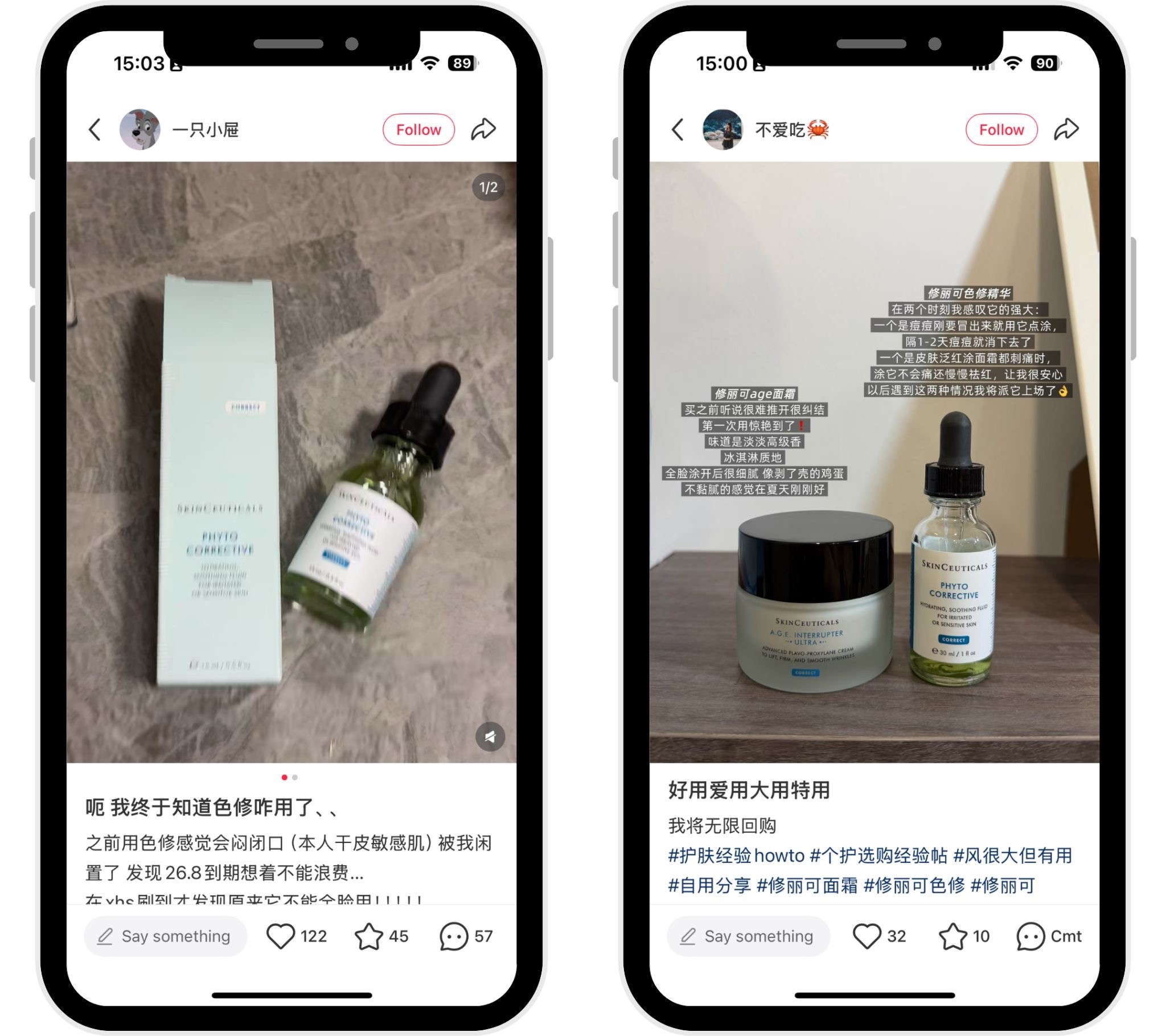
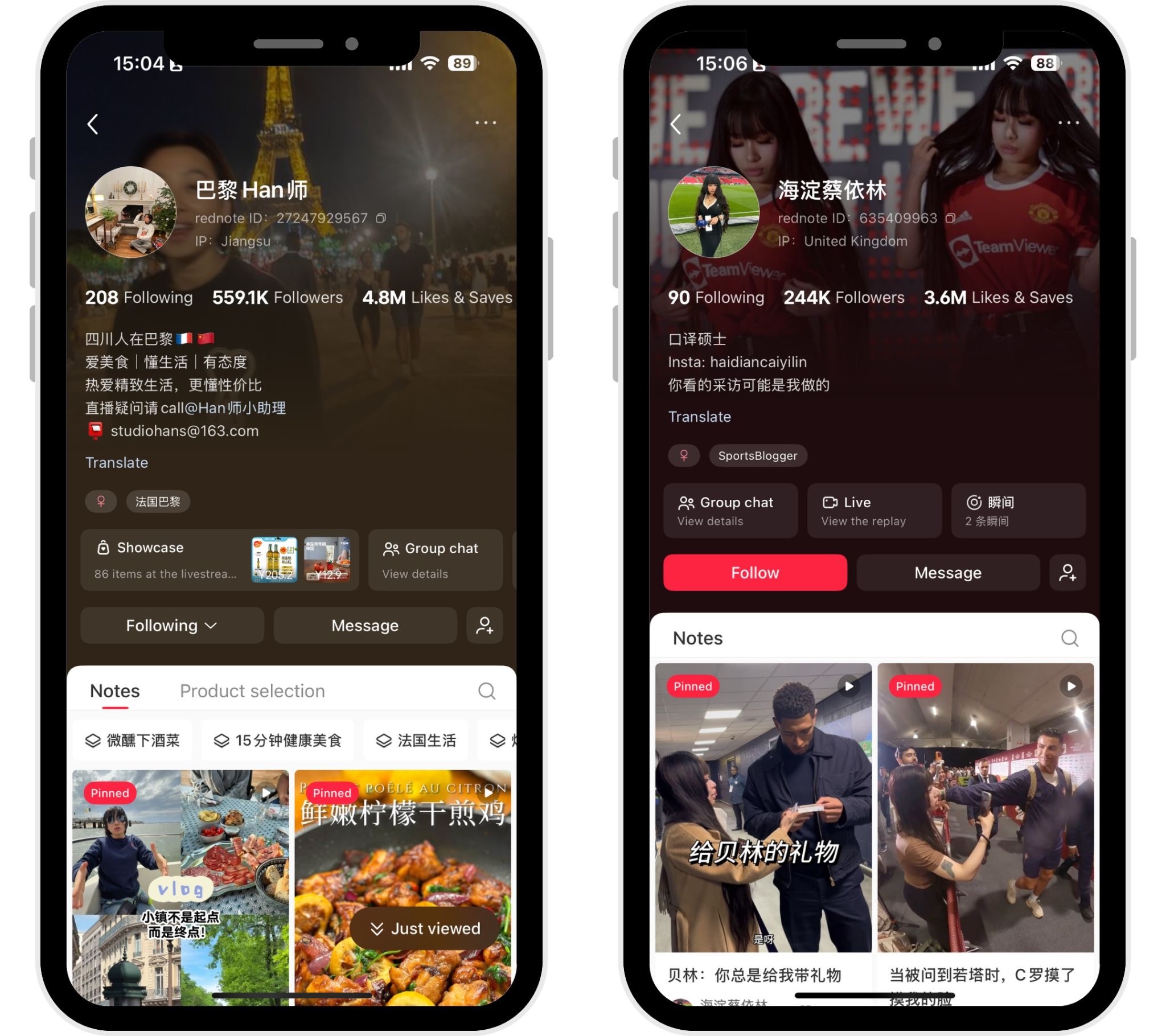
Examples of key opinion leaders in various industries
Key Opinion Leaders can emerge in almost any sector where expertise and trusted recommendations influence decisions.
In medicine, doctors and healthcare specialists may become KOLs by sharing professional knowledge through conferences, publications, interviews, or social media. Their influence is based primarily on qualifications and professional reputation.
Technology KOLs may include engineers, analysts, experienced reviewers, entrepreneurs, or specialists who evaluate products and explain complex developments to broader audiences.
Finance follows a similar model. Analysts, economists, investors, and other professionals can influence how audiences understand financial products, markets, and investment topics.
Food provides another example. Chefs, restaurant critics, nutrition specialists, and respected food creators can all become KOLs, although the source of their authority may differ considerably.
The same model applies to sustainability, entrepreneurship, beauty, fashion, automotive, and other sectors.
KOLs also do not need to be concentrated on a single platform. Depending on their profession and audience, their influence may come from LinkedIn, YouTube, Instagram, industry publications, conferences, traditional media, or a combination of channels.
This diversity is precisely why brands should define KOLs through authority and audience relevance rather than through one particular profession, platform, geography, or follower threshold.
FAQ: Key opinion leader marketing
How can brands measure the ROI of KOL marketing?
Measurement should reflect the campaign objective. Brands can track metrics such as reach, engagement, qualified traffic, leads, conversions, sales, brand mentions, or changes in consideration. For thought-leadership campaigns, indicators such as content quality, audience relevance, event participation, and engagement from target decision-makers may be more meaningful than immediate sales.
What are the legal and ethical considerations in KOL collaborations?
Commercial relationships should be transparent and comply with applicable advertising, disclosure, industry, and platform requirements. This becomes particularly important in regulated categories such as healthcare and finance, where claims and endorsements may face additional restrictions.
How can brands ensure authenticity and avoid fake experts?
Look beyond follower count. Review professional credentials, work history, publications, speaking engagements, peer recognition, previous content, and past brand collaborations. Brands should also verify audience quality and whether the person's claimed expertise is supported by credible third-party evidence.
When is it better to use KOLs vs. traditional influencers?
KOLs are particularly useful when expertise, trust, niche relevance, or product education is important. Traditional influencers can be more suitable when the priority is broad awareness, entertainment, lifestyle integration, or large-scale social reach. Many campaigns use both to address different stages of the customer journey.
What trends are shaping the future of KOL marketing?
KOL marketing is increasingly focused on audience quality, measurable performance, long-term partnerships, and stronger integration between content and commerce. Brands are also paying greater attention to specialist and niche voices rather than relying solely on follower numbers. As creator marketing becomes more professionalized, credibility and demonstrated expertise are likely to remain central to how brands identify valuable KOL partnerships.
Summary
Title


Newsletter